Manufacturing

Four stages. One set of hands.

Cultivation, biomass processing, extraction and oil production, and white-label manufacturing sit under one operator. A partner can enter at any of them. Whatever happens upstream is still ours to answer for.

Every handoff is a place where quality quietly drops and nobody is left holding the answer.

The line

Material in,
product out.

These four stages are normally spread across four companies, each optimizing its own step and inheriting whatever the last one sent. Run them together and a decision made at harvest is made by someone who knows what it does to the oil three weeks later. It starts further back than this page, with the genetics the whole run is built from.

  • Genetics
  • Cultivation
  • Processing
  • Extraction
  • Manufacturing

01 — Cultivation

Growing the material

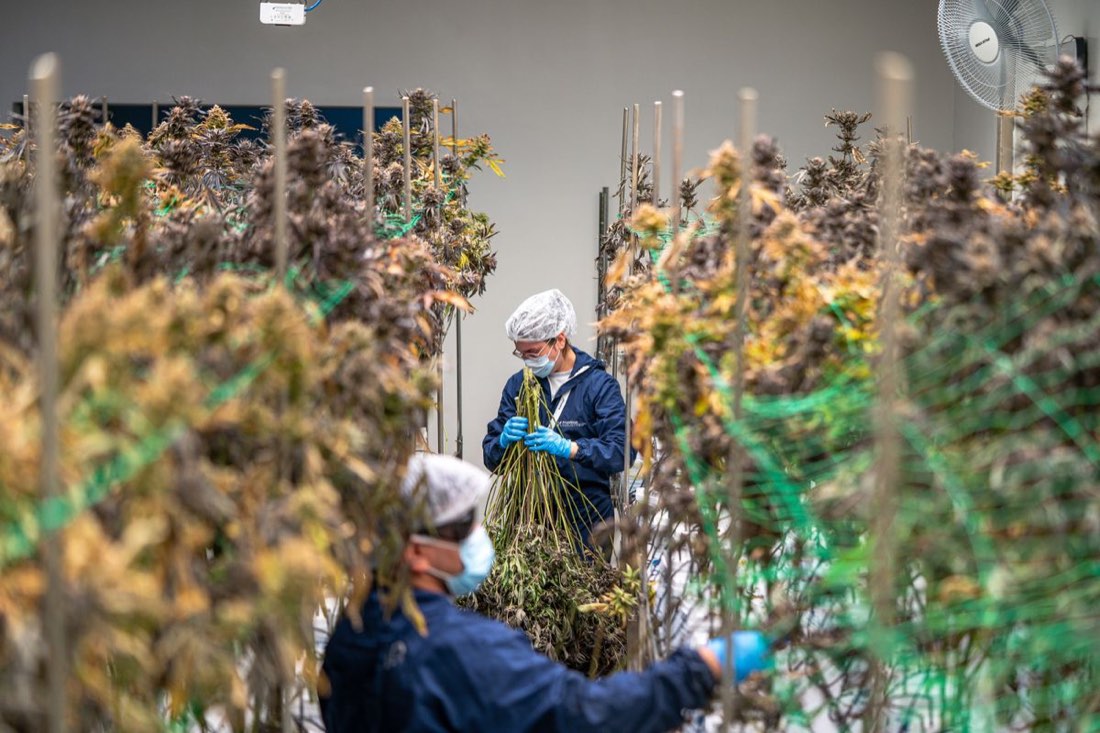
Plants grown from the company's own selected stock in a controlled environment, with feed and flush recorded through the run. What a plant is given, and when, is where the character of the finished product is either protected or lost.

02 — Processing

Drying, curing, grading

Harvest handled deliberately, not quickly: a slow dry, a monitored cure, then bucking and grading. It is the least visible stage and the one most often rushed. It also decides how a flower smells and how cleanly it burns.

03 — Extraction

Oil production

Processed material converted into oil for finished formats. The aim here is preservation: carrying the aromatic character of the input into the concentrate instead of stripping it down to potency alone.

04 — Manufacturing

White label, your name

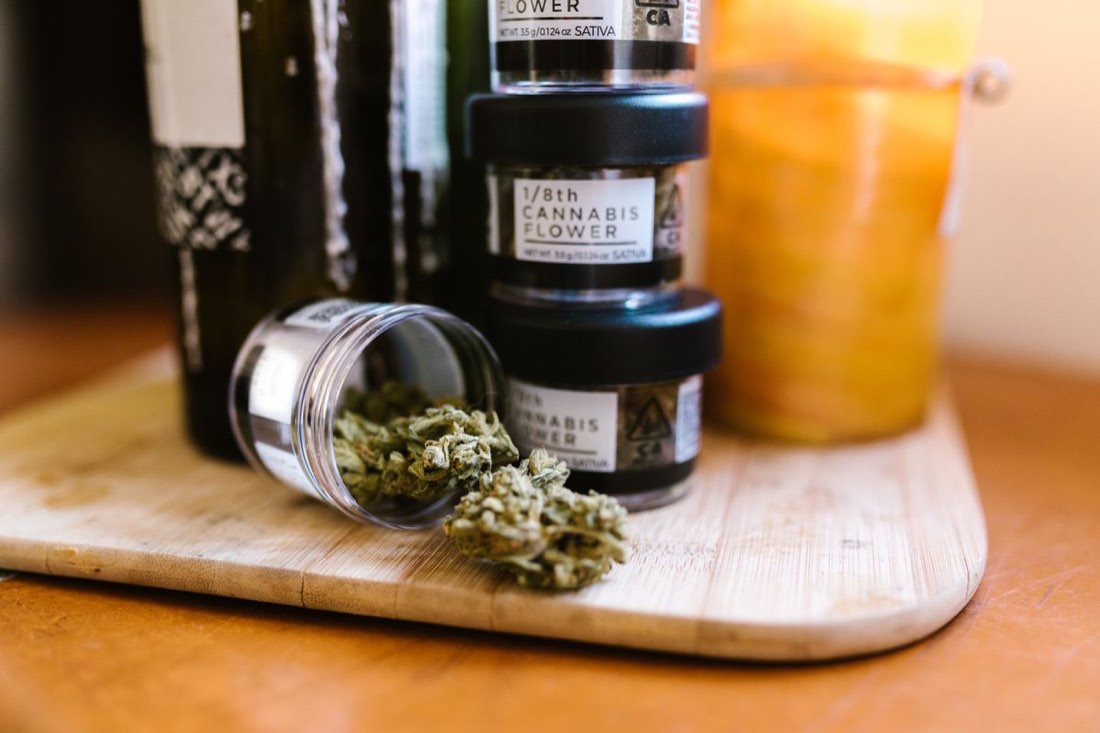
Finished product made to an agreed specification and packaged under your brand, produced in licensed facilities with test results following the batch. How partner engagements work.

Attention

The stages nobody
puts in the brochure.

Most of what separates good cannabis from ordinary cannabis happens in two unglamorous windows: the weeks after harvest, and the decisions made on a production floor when something is close enough to pass.

Testing

Verified before
it moves.

Regulated cannabis is tested at licensed third-party laboratories before it can be sold. We treat that panel as the floor, not the achievement. Results follow the batch.

The panel

What regulated product is screened for

Run at licensed third-party laboratories, independent of us. Nothing moves on an unverified result.

  • Cannabinoid potency
  • Terpene profile
  • Pesticides
  • Residual solvents
  • Heavy metals
  • Microbials
  • Mycotoxins
  • Water activity & moisture
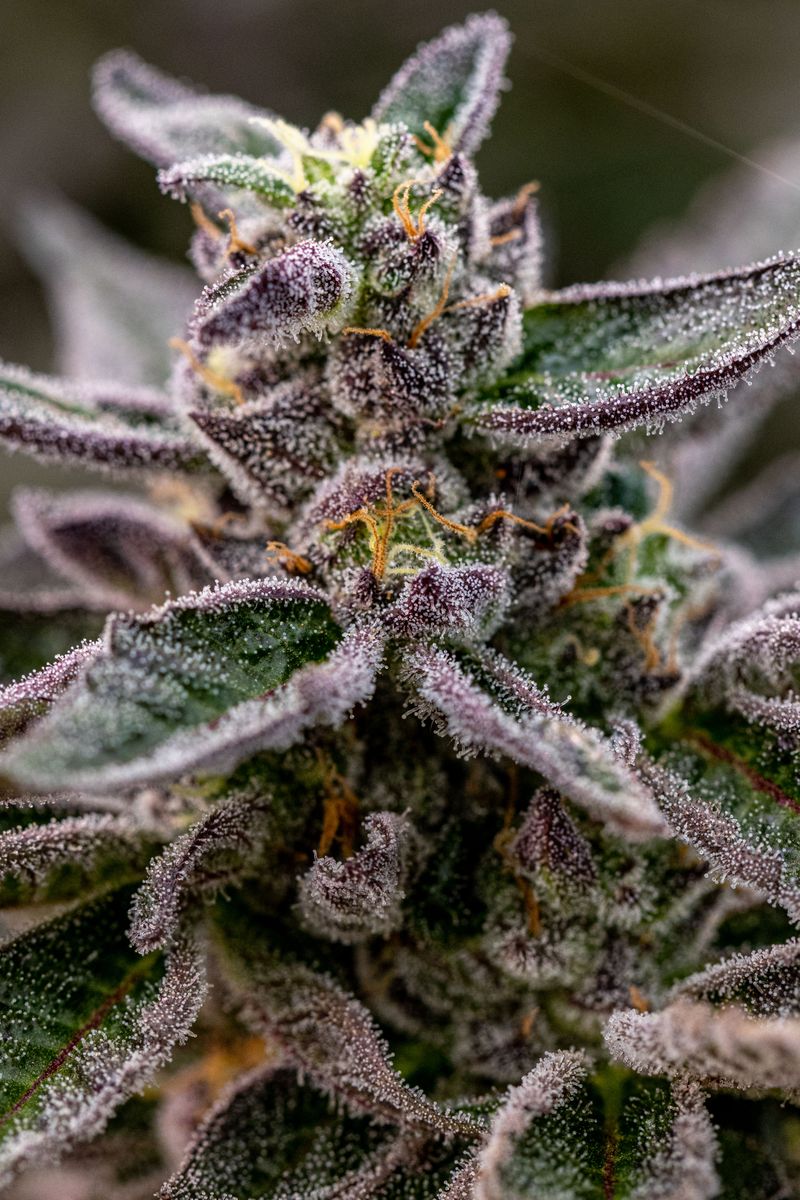
Cannabis flower at close range, trichome heads clearly visible

Beyond the certificate

It should burn clean

A compliant product is not automatically a good one. Flushed and cured properly, cannabis burns down to a pale ash. It is a traditional check, and a direct read on how the post-harvest stages were handled.

Release

A trained sensory read

Sensory assessment is carried out by a certified Ganjier against a structured method. That is how a product holds the same character run after run. Who holds that standard.

Laboratory testing is what certifies a product as safe and compliant; the required panel is set by regulation and performed by licensed independent laboratories. Ash color is a traditional field indicator of flush and cure — a useful signal, not a substitute for analysis — and sensory assessment is a matter of trained judgment.

In context

Production is the middle,
not the whole.

Manufacturing on its own is a service. It becomes useful sitting between genetics that give a product something to be, and the brand, distribution and expansion work that puts it in front of someone.

Start here

Tell us what stage
you need covered.

Biomass with nowhere to go, oil that needs finishing, or a specification and no floor to run it on. We'll tell you plainly whether it's something we should be doing for you.